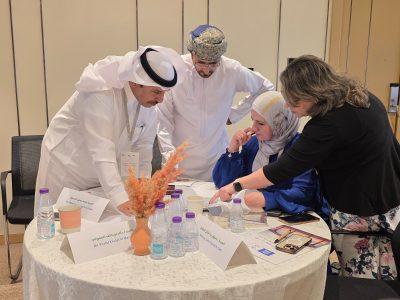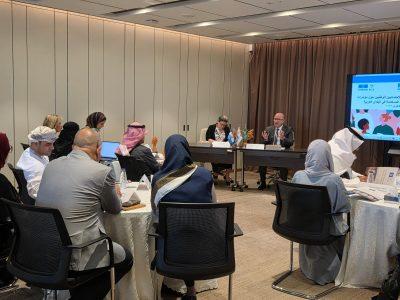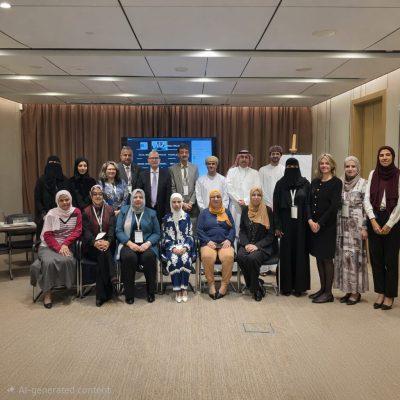

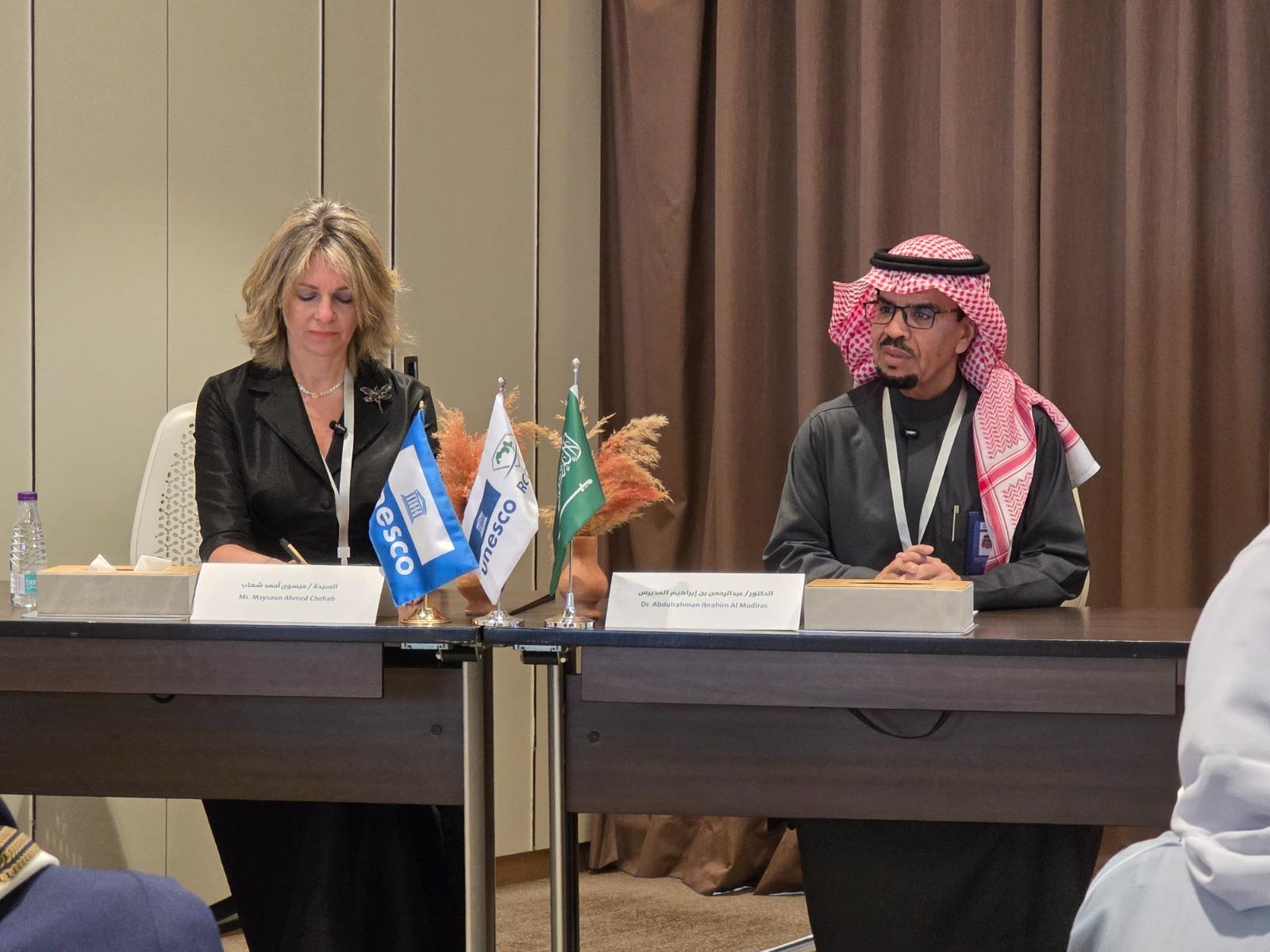

The UNESCO Regional Center for Quality and Excellence in Education, in collaboration with the UNESCO Regional Bureau in Beirut and the UNESCO Institute for Statistics (UIS), organized the Regional Workshop on Capacity Building for Statisticians in the Arab Region on Sustainable Development Goal 4 (SDG 4) indicators, held from 9–12 February 2026, with the participation of representatives from Arab States and experts, both in person and virtually
The workshop aimed to enhance the technical capacities of national statistical teams in calculating SDG 4 indicators and aligning them with global frameworks and methodologies. This contributes to improving the quality and accuracy of national reports, supporting evidence-based education policies, and strengthening the monitoring of progress toward achieving SDG 4 targets in Arab States
The workshop commenced with opening remarks by H.E. Dr. Abdulrahman Al-Medaires, Director-General of the Center, who emphasized the importance of harmonizing statistical methodologies and improving the quality of education data. He noted that building national capacities of statisticians represents a fundamental pillar for enhancing the efficiency of education systems and ensuring accurate measurement of progress
Ms. Maisoun Chehab, Head of the Education Unit at the UNESCO Regional Bureau in Beirut, also delivered remarks, underscoring the importance of aligning national data with global frameworks and supporting Arab States in strengthening their education statistical systems
The opening session further included remarks by Mr. Paolo Fontani, Director of the UNESCO Regional Bureau in Beirut, who stressed the importance of integration and coordination among the UNESCO Regional Bureau in Beirut, the UNESCO Regional Center for Quality and Excellence in Education, and the UNESCO Institute for Statistics to enhance the quality of education data, harmonize methodologies, and support monitoring progress toward achieving SDG 4 in the Arab region
Presentation of the Center’s Strategic Projects
The first day included a presentation of the Center’s key strategic projects in the field of ensuring the quality of statistical data across the 22 Arab States, delivered by Dr. Fatimah Roais, Deputy Director-General of the Center. The presentation highlighted the Regional Periodic Report on the Status of Education Quality in the Arab States, as well as the Projective Forecasting Matrix for Data Quality and foresight of the future of education quality and excellence in the region
These projects serve as analytical decision-support tools, focusing on enhancing data reliability, measuring education indicators, and building tracking pathways that support development and the achievement of national and regional targets
Intensive Training Program and Specialized Technical Sessions
The workshop featured an intensive four-day training program that included specialized technical sessions, technical presentations, and hands-on practical exercises covering:
The operational framework for monitoring SDG 4
The International Standard Classification of Education (ISCED 2011) and the review of national education programme mappings
Measurement of learning outcomes (Indicator 4.1.1)
Global and thematic SDG 4 indicators, including definitions, required data, and calculation methodologies
Education expenditure statistics and indicator analysis
The use of household surveys in monitoring indicators
Mechanisms for reporting SDG 4 data for global monitoring purposes
UIS surveys on formal education, literacy, and learning achievement
The workshop also included in-depth technical follow-up sessions with Arab States, practical activities, and consultative sessions to identify key recommendations, thereby strengthening consistency in national reporting and enhancing measurement quality
Bilateral Meetings to Support National Efforts
As part of strengthening tailored technical support to countries, a series of bilateral meetings was held with several Arab States to discuss national challenges, exchange expertise, and explore ways to develop education data systems in alignment with international methodologies
Key Recommendations of the Workshop
The UNESCO Regional Center for Quality and Excellence in Education, the UNESCO Regional Bureau in Beirut, and the UNESCO Institute for Statistics recommend:
Coordinating at the policy level—particularly on education expenditure—with relevant ministries, entities, and decision-makers in Member States to develop strategic implementation mechanisms for ensuring the quality of statistical data used to measure SDG indicators, especially SDG 4. This includes establishing national task forces comprising all relevant stakeholders (such as national statistical offices, ministries of education, ministries of finance, and national commissions for education, culture and science); organizing specialized workshops; and developing mechanisms to support and empower ministries of education by requiring relevant entities to provide necessary data as national assets that may be shared in accordance with governing policies and regulations. It also includes exchanging expertise, documenting and disseminating best practices in effectively utilizing resources and influencing factors for successful indicator monitoring, strengthening regional cooperation and knowledge exchange, and adopting clear and sustained implementation plans that support capacity building and improved outputs in line with regional and international best practices
Updating each country’s ISCED programme mapping to ensure that data and information are accurate and aligned with the official programme lists
Submitting the outcomes of this workshop to the SDG 4 High-Level Steering Committee and the Sherpa Group
Holding bilateral meetings with countries affected by conflicts and crises that impact progress toward SDG 4, in
order to identify challenges hindering the achievement of targets
Working to establish support teams from Arab States to assist countries in providing both national and international education indicators
Calling for the tracking of development assistance (grants) from all countries, including Arab States, not only OECD countries
Encouraging Arab States to communicate with the UNESCO Institute for Statistics to ensure the timely submission of all annual survey questionnaires, duly completed with the required data
Organizing a consultative and preparatory meeting prior to the Montreal meeting (April 2026) between members of the Technical Cooperation Group (TCG) and national statisticians from Arab States to discuss the meeting agenda and agree on a unified position for the Arab Group. Following the Montreal meeting, organizing another session in which the TCG presents the outcomes to national statisticians
Strengthening and developing disclosure processes
Harmonizing statistical survey terminology to reflect the specific context of the Arab region
Defining a correlation matrix between indicators and clarifying the relationships and interdependencies among them
Establishing regulatory guidelines and a clear terms-of-reference framework for selecting the national SDG 4 coordinator, in order to ensure effective support and coordination